Unreal Engine Systems
A detailed overview of the core systems developed across my prototypes. Each section covers the technical implementation and design logic used to build functional and modular gameplay features.
Technical Overview
Built with Blueprints for scalable system architecture.
- AI Architecture: Behavior Trees and Blackboard systems for complex decision-making.
- Data-Driven Design: DataTables and Data Assets for content scalability.
- Modular Framework: Component-based architecture for flexible system integration.

Systems Overview
AI Behavior
Behavior Trees & Blackboards
Dialogue System
Data-driven Architecture
Save/Load System
Persistent Data Management
Data Layers
Streaming Optimization
Weapon System
Weapon swapping
Interaction System
Interface-based Framework
Interaction System
Interface-based Framework
Inventory System
Resource Management
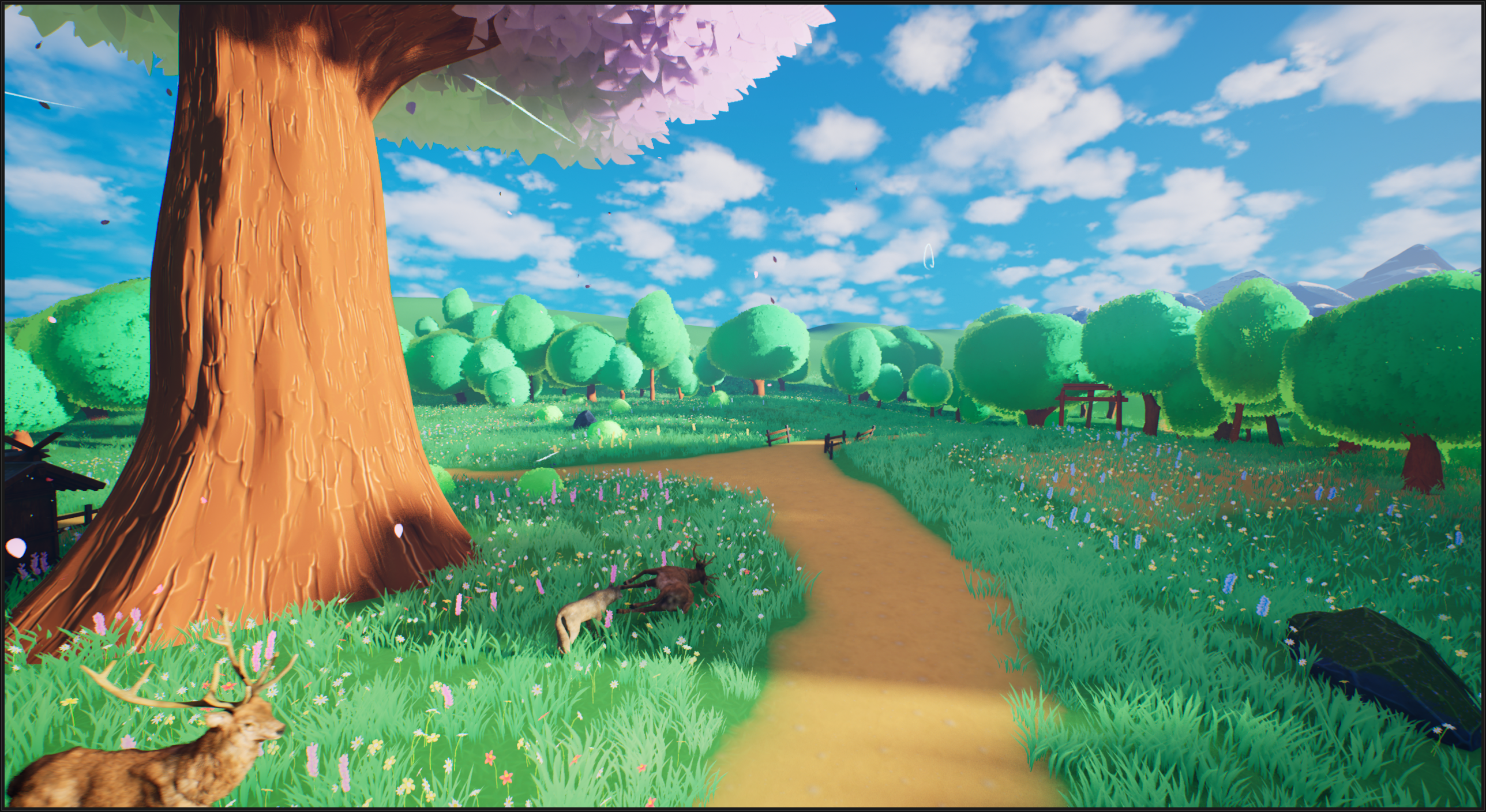
AI Behavior
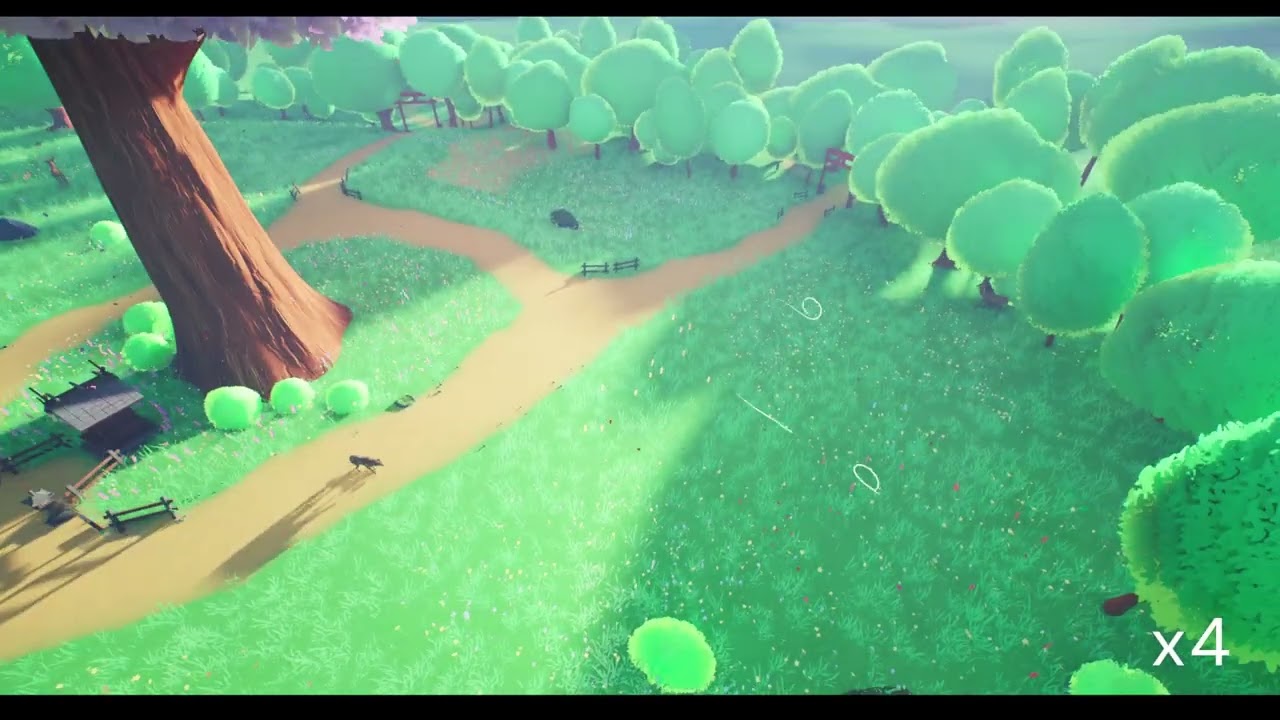
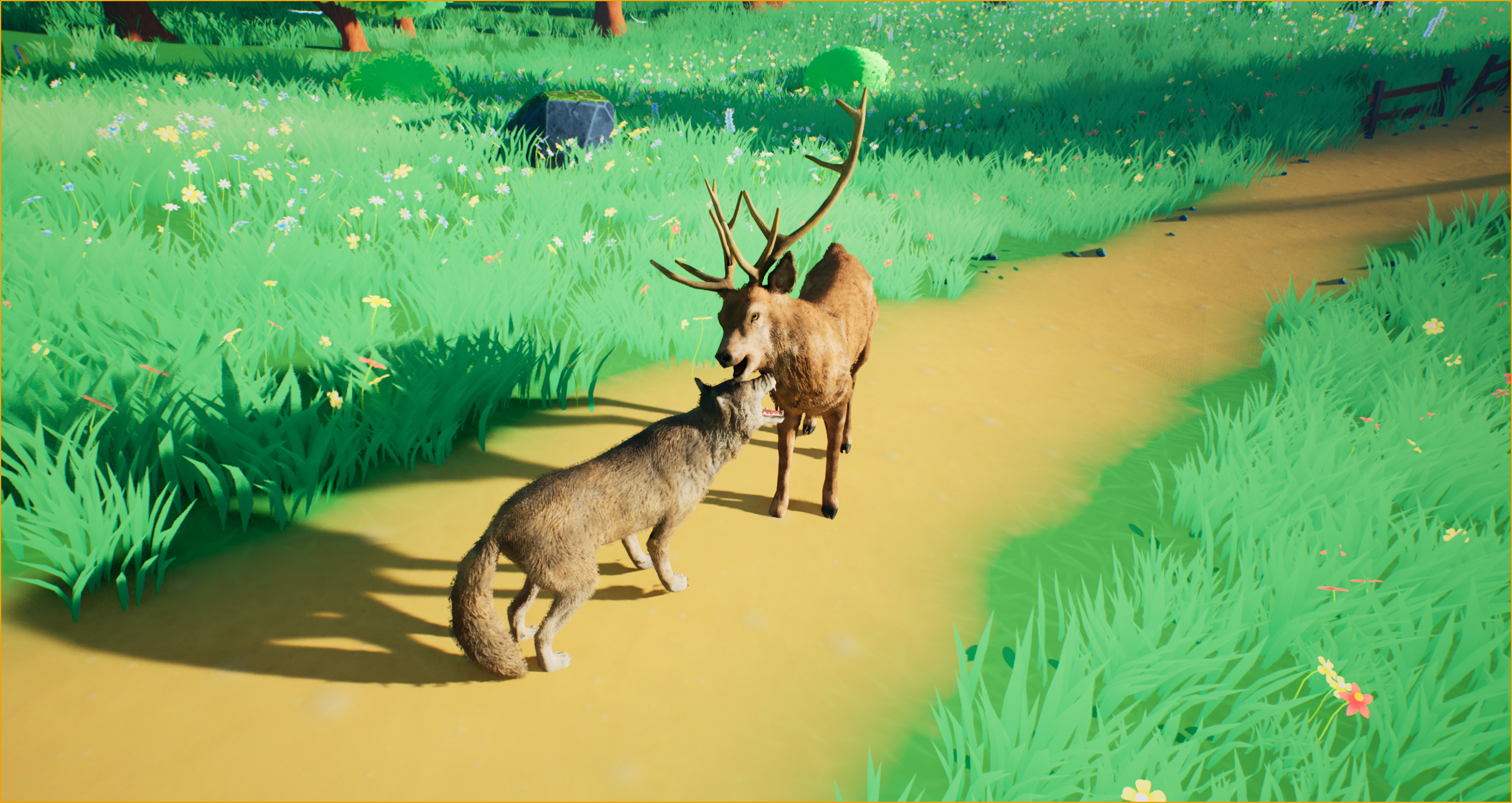
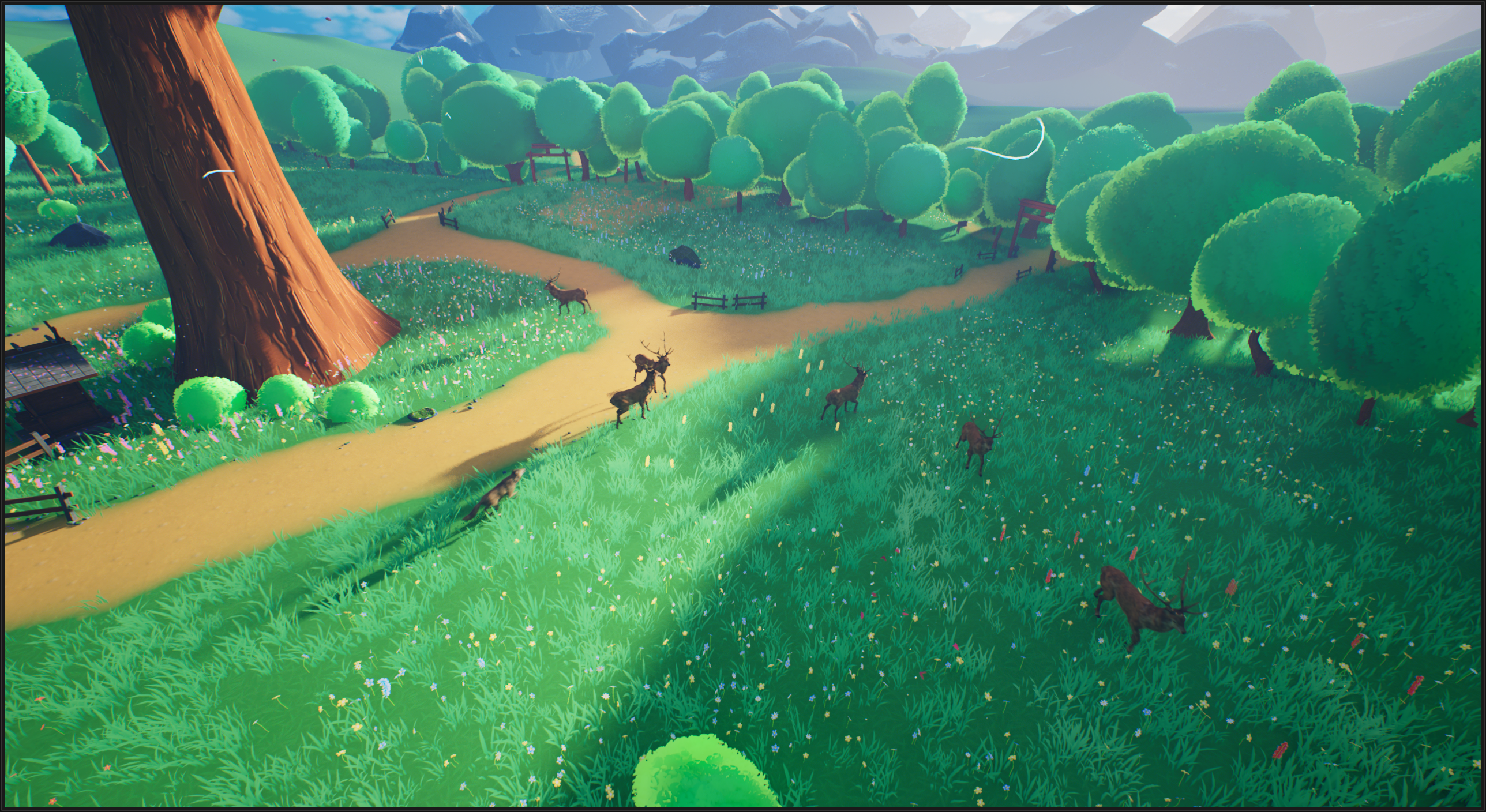
Wildlife AI logic focused on environmental reactivity, using Behavior Trees to manage simple state transitions and spatial awareness.
Technical Implementation
- Behavior Trees for state-based logic (Idle, Roam, Chase)
- Blackboard system to store target locations and threat data
- NavMesh integration for smooth environmental navigation
System Impact
Populates the world with reactive entities that respond to threats, creating a more immersive and "living" atmosphere through consistent behavioral patterns.
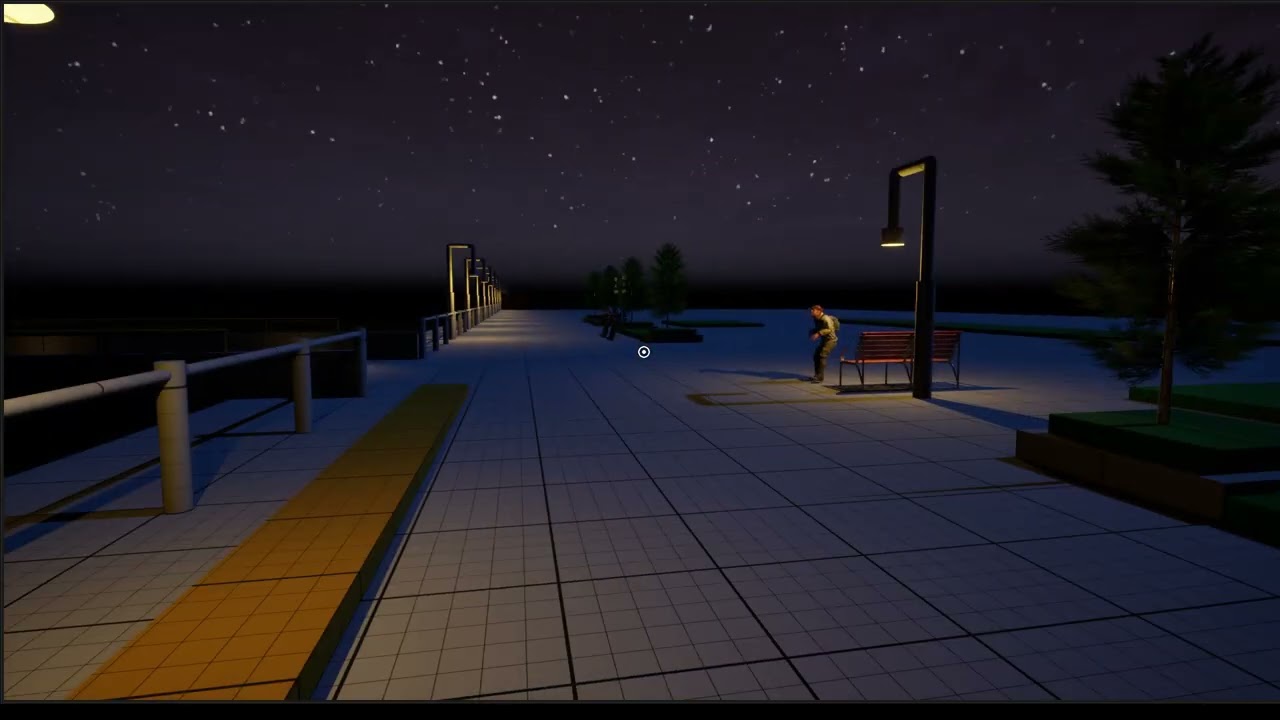
Dialogue System
Dialogue System built with data-driven architecture using DataTables for scalable conversation management.
Core Features
- Data-driven dialogue using DataTables
- Branching response system
- Consequence management and outcomes
- Modular conversation flow
Design Philosophy
Enables narrative branching while maintaining clean separation between content and code, allowing for rapid iteration and localization.
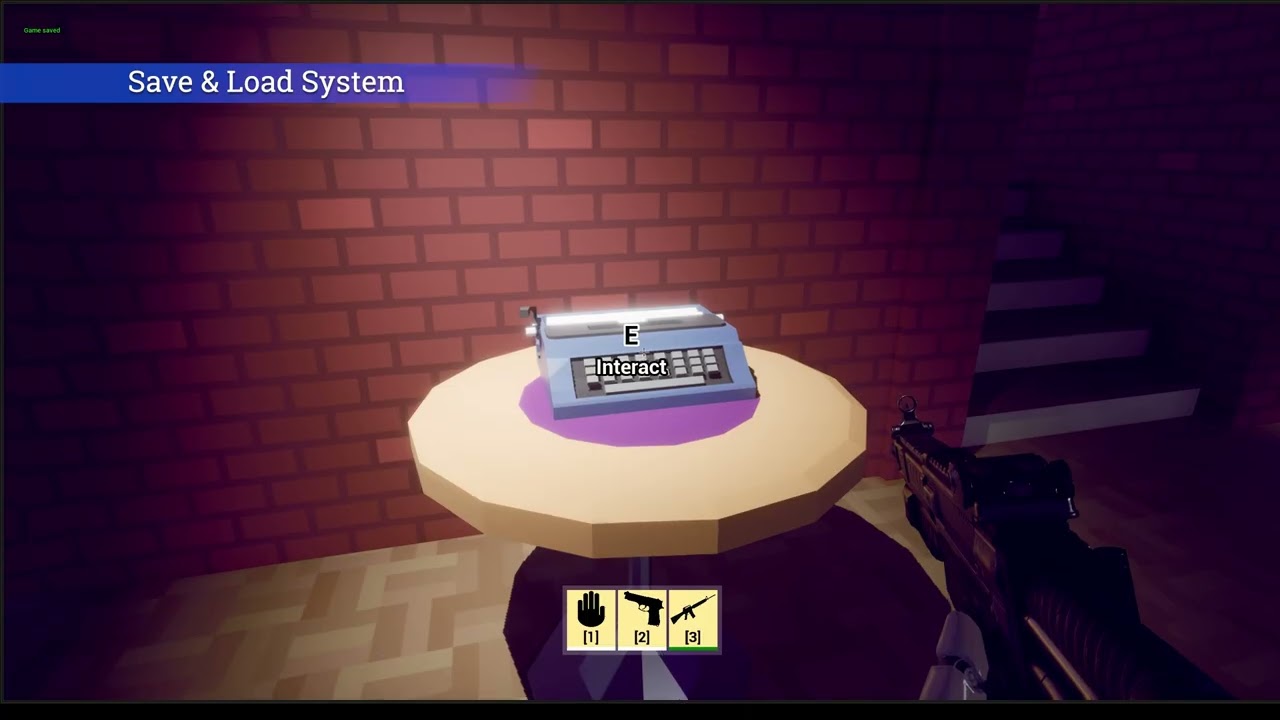
Save/Load System
Save/Load System handles persistent data across sessions including inventory, stats, and world state.
Persistence Features
- Inventory state preservation
- Player statistics tracking
- World state management
- Cross-session continuity
Technical Approach
Ensures seamless gameplay continuity by maintaining all critical game state data, supporting the survival genre's emphasis on long-term progression.
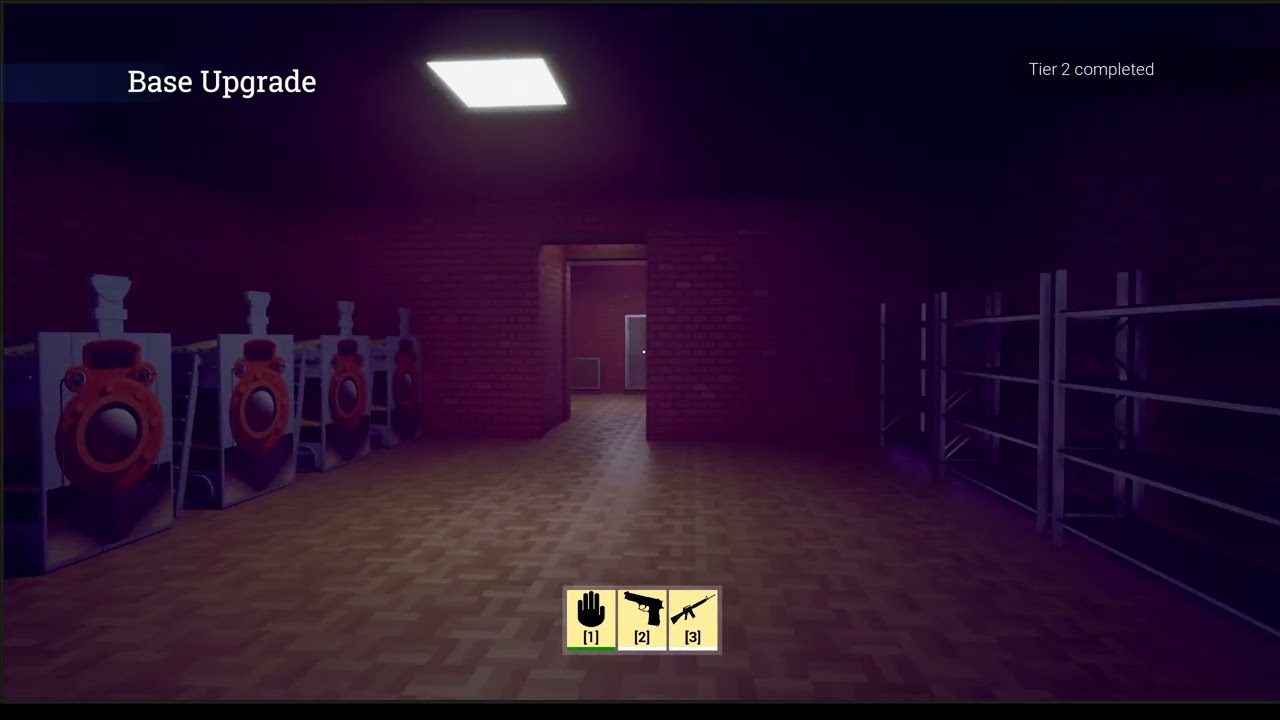
Data Layers
Data Layers utilized to manage the visual progression and state changes of a modular base upgrade system.
Technical Implementation
- Layer-based visibility for base tier progression
- Efficient state management for modular components
- Non-destructive workflow for switching upgrade levels
- Optimized memory usage by loading only active tiers
System Impact
Provides a seamless evolution of the player's base, allowing for complex visual changes and upgrades without the performance overhead of spawning/destroying multiple actors.
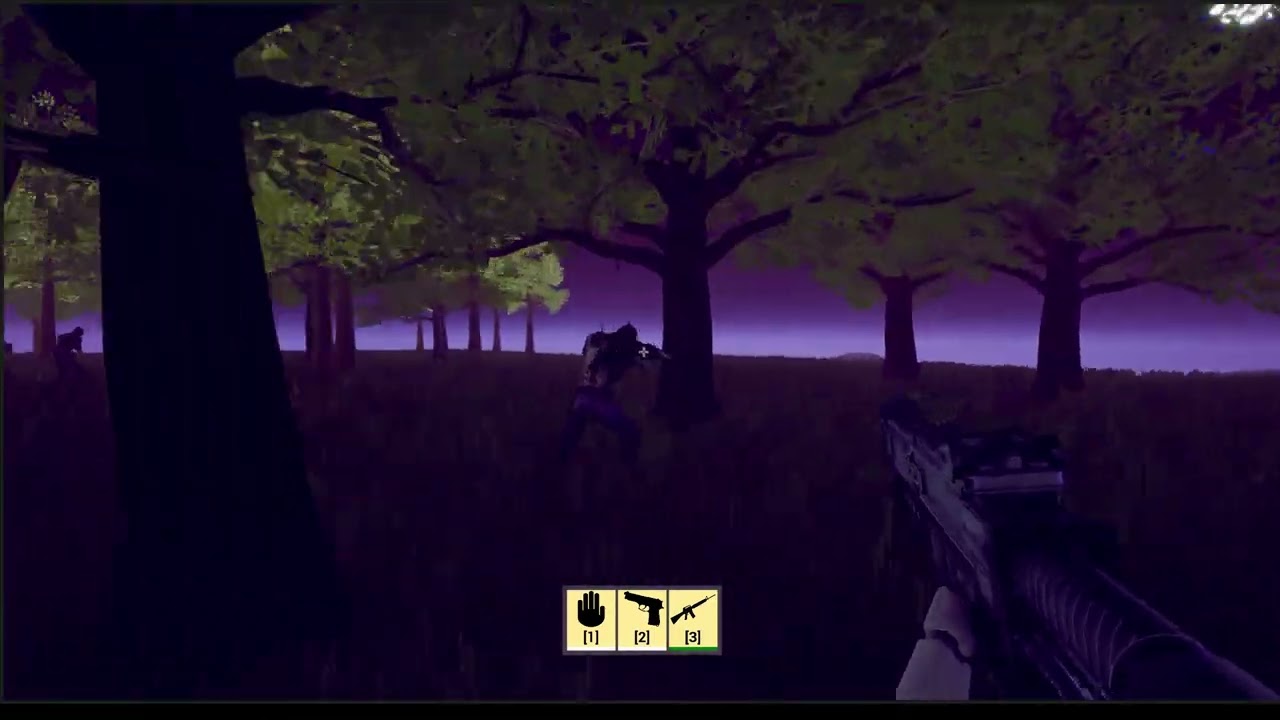
Weapon System
Weapon Handling system managing the core loop of picking up, swapping, and firing different weapon types.
Core Mechanics
- Interaction system for weapon pickups
- Weapon swapping and inventory slots
- Projectile and Hitscan firing modes
System Impact
Provides a functional and responsive combat foundation, allowing players to interact with the environment and manage their arsenal efficiently during gameplay.
Interaction System
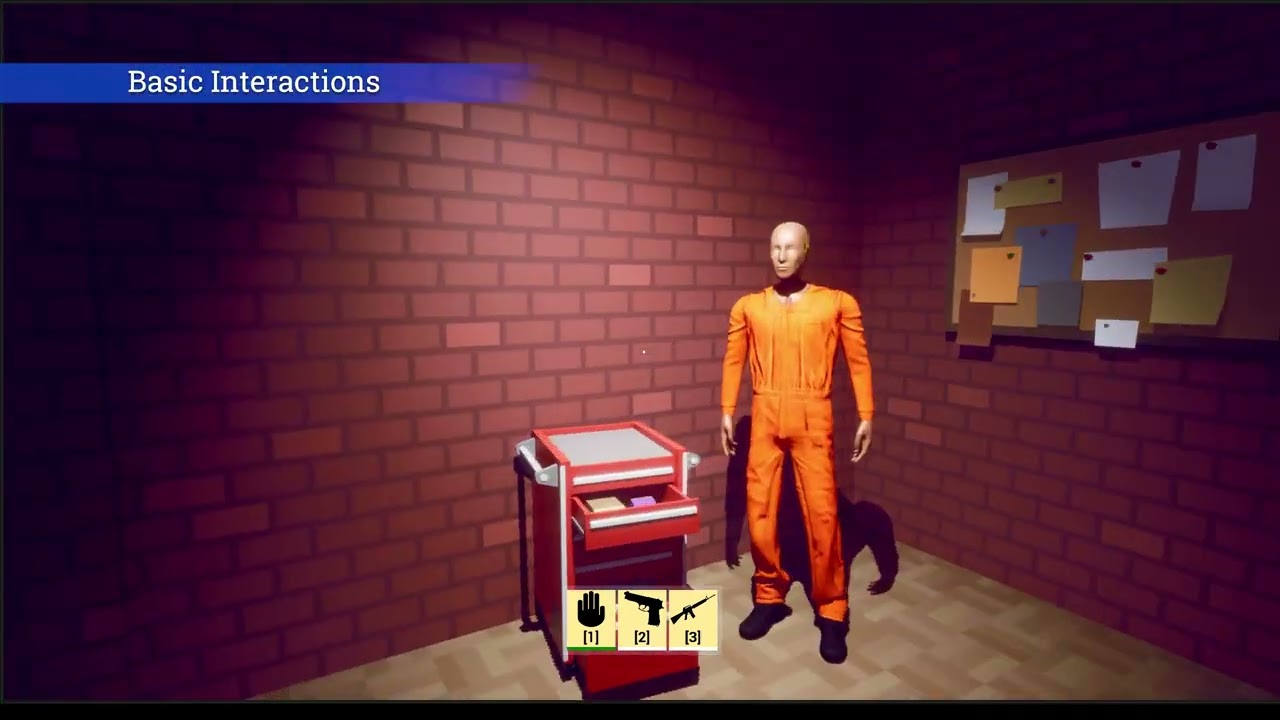
Interaction System provides modular framework based on Interfaces for extensible object interactions.
Framework Features
- Interface-based modular design
- Extensible interaction types
- Context-sensitive prompts
- Scalable interaction framework
System Benefits
Enables rapid prototyping of new interaction types while maintaining code consistency and reducing development overhead for environmental objects.
Inventory System
Inventory System features grid-based management using Data Assets for flexible item configuration.
Management Features
- Grid-based inventory layout
- Data Asset item configuration
- Item stacking
User Experience
Provides intuitive inventory management that supports the survival genre's emphasis on resource scarcity and strategic item organization.